The real edge in leadership isn’t about what you know – it’s about who you’re becoming, writes Justine Farrington.
For years, development was tallied in certificates, conferences, competencies ticked off and KPIs. But those measures no longer set leaders – or organisations – in front in the race for talent.
In today’s market, where top performers move quickly to where they feel stretched and supported, what matters most is personal development: leaders growing as whole people.
The Nation’s Wellbeing Report 2025 by Human Synergistics, based on 70,000 people across 73 industries, shows that 90 percent of CEOs want to improve themselves.
Yet only half feel supported by their organisations, for frontline leaders this drops to 44 percent.
That gap matters. When organisations cut back on development, pipelines weaken. Engagement dips. Collaboration slows. Adaptability shrinks. But when leaders invest in their own growth, whether that’s through feedback, mindfulness, or creative pursuits, the payoff is clear.
They are seen as more effective, innovative, and connected. Teams are more engaged, culture strengthens, and performance rises.
Technical skills may get you through the door, but to stay effective and create real value, leaders need selfawareness, empathy, presence, and resilience.
That edge doesn’t come from a single training programme. It comes from ongoing practices that build adaptability and creativity:
• Stretch the mind: Explore a new language, experiment with coding, or build digital fluency to stay adaptable.
• Sharpen presence: Practices such as mindfulness, Pilates, or Qigong improve focus, energy, and emotional balance.
• Fuel creativity: Creative pursuits like cooking, gardening, or upcycling build patience, design thinking, and problem-solving skills.
• Stay current: Micro-credentials and online platforms keep leaders AI enabled, and aware of emerging technologies.
These aren’t nice-to-haves. They’re the scaffolding that keeps leaders’ future-ready.
Feedback: The game-changer
Here’s the trap: many leaders confuse self-awareness with effectiveness.
They assume “knowing themselves” is enough. It isn’t.
Real growth comes from understanding how others really experience leadership. That’s where tools like Life Styles Inventory (LSI 1 and 2) and Leadership Impact come in.
• LSI 1 uncovers self-concept, thinking styles, personal effectiveness and satisfaction at work and home.
• LSI 2 shows how colleagues perceive behaviour and effectiveness.
• Leadership Impact maps the effectiveness, approaches and strategies of leaders and the impact they have on teams. It also reflects the gap between the actual and desired Impact leaders want to have on others.
For executives focused on ROI, these tools are like leadership audits.
They confirm strengths, expose blind spots and stumbling blocks, and highlight behaviours worth developing.
Without evidence, improvement is guesswork.
Some of the best leadership development doesn’t happen at work at all. It happens in the community.
Coaching a sports team, volunteering on a project, or leading a sustainability initiative tests the same muscles leaders need every day; patience, achievement thinking, influence, and motivation.
These opportunities may cost little but deliver big. They remind us leadership isn’t only about driving performance. It’s about creating inclusive environments where people thrive.
Seven Practices for High- Performance Leaders:
1. 360 Feedback (LSI / Leadership Impact) – Clear view of strengths, blind spots and opportunities for growth.
2. Meditation, Mindfulness, Pilates, Qigong – Tools for focus and stress regulation.
3. Journaling – Boosts clarity, reflection and better decision-making.
4. Photography – Sharpens observation and perspective-taking.
5. Language Learning or Coding – Builds adaptability and problemsolving.
6. Coaching a Team – Strengthens motivation and influence.
7. Creative Hobbies – Reinforces patience and design thinking.
The truth is simple; most leaders want to grow, yet many feel stuck without the right support. Cutting investment in development might seem like a quick saving, but the hidden cost can be steep: a fragile culture, disengaged teams, and organisations that struggle to adapt.
In today’s war for talent, that cost multiplies; top performers leave when growth stalls and gravitate toward leadership that supports and inspires.
But growth isn’t the job of organisations alone. The best leaders take radical accountability, asking not just ‘How am I growing at work?’ but ‘How am I evolving in the whole of my life?’ Leaders who commit to this path don’t just stack up skills; they build presence under pressure, empathy that cuts through complexity, and agility in the face of change.
These aren’t soft edges; they’re competitive advantages that reshape culture, spark resilience, and keep organisations future-ready.
The real edge in leadership isn’t about what you know – it’s about who you’re becoming. Curious. Selfactualising. Energised by possibility. Continuously growing.

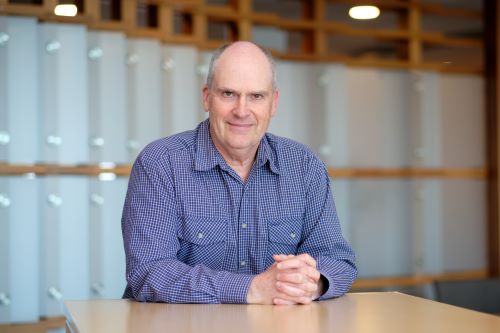
Justine Farrington is a senior consultant at Human Synergistics. As a coach and facilitator, she equips leaders with the insight and support to grow themselves and build constructive, future-ready cultures
that thrive in change. www.hsnz.co.nz