Last month, 55 nations representing 78 percent of global greenhouse gas emissions submitted their pledges to the United Nations to cut emissions by 2020 as per the Copenhagen Accord. The bad news is that even if they meet their targets, these pledges won’t prevent the world heading for an estimated 3.5˚C temperature rise.
The steepest emission cut (30-40 percent below 1990 levels) was pledged by Norway: Japan pledged 25 percent and the US and Canada pledged 17 percent cut below 2005 levels. But there are various conditions and environment watchers say the commitments are far below what is needed to avoid the impacts of climate change. Commitment levels haven’t been helped by unprecedented cold weather in the Northern Hemisphere winter and mistakes in some aspects of the Intergovernmental Panel on Climate Change reports. With political leadership fading, it may fall to civil society to “pick up the baton” according to one UK commentator.

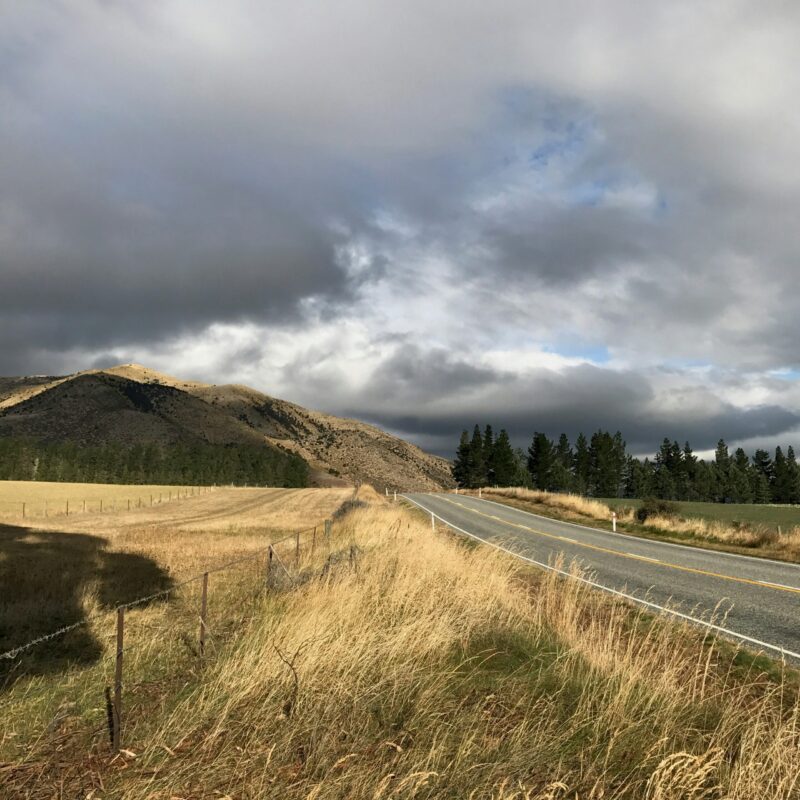
Agri experts warn New Zealand’s food and fibre future could arrive by default rather than by design
Despite near universal optimism in the rural sector, a panel of New Zealand’s leading food and agri minds say the sector must be intentional about its future path if it’s to successfully navigate the social, economic, environmental and technological forces impacting its operating environment.