
The ethical and practical imperatives of AI adoption in HR
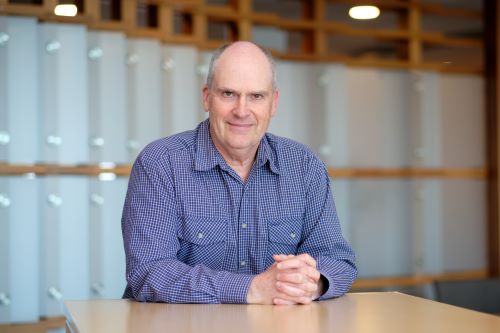
The defining question for HR is no longer whether to use AI, but how to use it responsibly—and who is accountable when it fails, writes Dr. Mahmood Ahmed Khan. Artificial
Home » Technology » AI

The defining question for HR is no longer whether to use AI, but how to use it responsibly—and who is accountable when it fails, writes Dr. Mahmood Ahmed Khan. Artificial

Employers who use AI responsibly in the hiring process, with clear intent and strong human oversight, will be better positioned to compete for talent while maintaining trust, writes Alan Price.

Most businesses with a digital presence will likely one day be using AI-generated content for their marketing and social content. Buddle Findlay’s Sophie Thoreau writes that getting the fundamentals of

Artificial intelligence, geopolitical fragmentation and a surge in cyber-enabled fraud are redefining the global cyber risk landscape at unprecedented speed, according to the World Economic Forum’s Global Cybersecurity Outlook 2026.

The wide-spread adoption of generative AI by New Zealand organisations could leave them damned by association in the case of crisis, new research shows. The new research, published in Business

Increased productivity, better decision-making, and reduced costs are just some of the positive benefits New Zealand organisations are experiencing as AI becomes part of business as usual. Yet adoption is

Beneath the excitement about AI, there are realities about risk, capability, and culture that businesses cannot ignore, writes Natassja Savidge, noting that if businesses treat AI as a replacement for

Used in the right way, AI augments payroll professionals, freeing them up to focus on talent and development instead of data drudgery. By Shannon Karaka, Country Lead for Deel in
Management Magazine strives to inspire New Zealand leaders today with forward thinking that helps them define who they are as a leader and helps them understand how they can become a better leader.