Investigating what makes board of directors succeed or fail is the topic of new doctoral research.
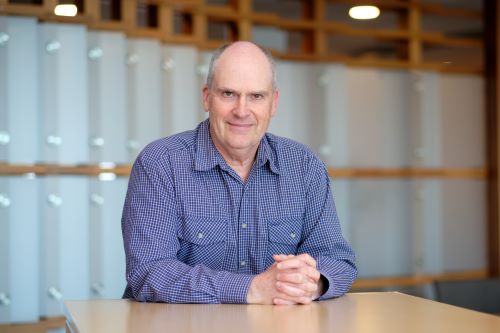
Recipient of the inaugural New Zealand Shareholders’ Association doctoral scholarship, Christchurch consultant Denis Mowbray, says the impact of governance is far-reaching and he is looking for ways it can be improved.
“Depending on the quality of governance, there is enormous impact on results achieved by corporates, not-for-profits, trusts, local governments and so on,” says Mowbray. “My research will cast light on our understanding of governance and the impact it has on organisational performance.”
Mowbray will undertake his doctoral studies with the AUT University Centre for Corporate Governance, headed by professor Alireza Tourani-Rad and associate professor Coral Ingley.
His research will identify structural and social components that differentiate effective from ineffective boards.
Mowbray says while an independent board is still considered essential to good governance, global evidence suggests this is not necessarily so. “Most high profile scandals, such as Enron and WorldCom, occurred in organisations that had independent directors, with the role of the CEO and chair split. There are whole range of areas of governance, like board independence, that currently have room for improvement, and that’s where I’ll be looking.”
He says that organisations might be missing the point, emphasising that boards need to operate like teams.
“Collegiality and the ability to have open, frank discussions determines board’s success much more so than the number of independent directors, for example.”
Mowbray adds that directorships are positions to be aspired to, not retired to.
“These are tough and demanding roles,” he says. “They shape the success or contribute to the failure of an organisation. business needs change and the board needs change. This means boards need the best people in the right roles at every stage of the business life cycle.”


Organisational purpose playing increasingly important role
Organisational purpose is playing an increasingly important role in helping New Zealand organisations navigate economic uncertainty, organisational change and evolving workforce expectations, new research from Hum Consulting, finds.