New Zealand could unlock an extra $60 billion in incomes each year by 2050 if bold action is taken to address the country’s lagging productivity, according to the latest report from ASB economists.
This substantial uplift reflects the cumulative impact of working smarter, investing in greater innovation and productive capital, and making the most of NZ’s skills and resources – delivering lasting benefits for Kiwi households, businesses, and communities, the bank says in a statement.
“Productivity is about working smarter, not just harder. It measures how efficiently our economy transforms inputs like capital and labour into goods and services, underpinning wage growth, business resilience, and improvements in living standards.
“Despite New Zealand’s renowned ingenuity and can-do spirit, output per worker remains 25–30 percent below the OECD average. This gap has shown few signs of closing post-Covid and may actually have widened in the last decade, resulting in less resilient businesses and slower improvements in living standards for Kiwi households,” it states.
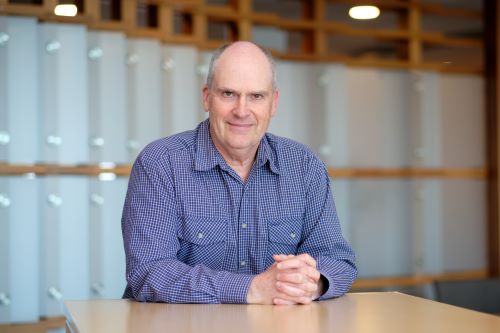
ASB senior economist Mark Smith says productivity is the engine of prosperity.
“New Zealand is coming out of an economic slowdown and moving into the upswing. This is the time for firms and households to take charge and invest to improve productivity. A step change in productivity will boost incomes, bolster living standards, and lengthen the duration of the economic upswing.”
What’s holding NZ back?
ASB’s report finds several structural issues behind New Zealand’s lagging productivity.
“Over time, more jobs and investments have flowed into sectors less exposed to international competition – such as construction, retail and government services. These non-tradeable sectors, while essential, do not benefit from the same impetus to innovate and adopt best practices as industries that compete globally.”

ASB senior economist Mark Smith.
The report also found that productivity in sectors more directly sensitive to interest rates have declined sharply, coinciding with a period of high inflation and high interest rates.
“The largest contributors to the material productivity decline following the Covid pandemic are sectors considered both non-tradable and interest-rate sensitive.
“Our low export intensity is another area of concern. Although New Zealand boasts world-class operators, our export activity remains lower than that of other small, advanced economies.
“The general lack of a global focus limits our ability to leverage global demand and technological advancements. While the favourable terms of trade have supported the New Zealand economy, this has not always translated into improved productivity and incomes, with some sectors struggling with the effects of higher interest rates and inflation.”
The economists note that productivity growth is driven by three main factors: the number of hours worked, the amount and quality of capital investment and infrastructure, and how these are combined, which in turn is dependent on workforce skills, technology and the adoption of global best practice methods and techniques.
The report highlights that New Zealand has often relied on increasing labour quantity, rather than investing in labour quality, capital deepening or the adoption of best practice techniques, which has led to a lower productivity ceiling over time.
“Failing to address productivity now will have long-term costs for future generations…
ASB economists warn that failing to address productivity now will have long-term costs for future generations. Without change, New Zealand risks falling further behind global peers, with slower wage growth and fewer opportunities for Kiwi families and businesses.
The way forward – seizing the opportunities
Despite these challenges, the report highlights clear opportunities for New Zealand to accelerate productivity growth.

ASB economist, Wesley Tanuvasa.
The adoption of artificial intelligence presents a particularly promising avenue. ASB economists estimate that the effective integration of AI could add up to $20 billion per year to NZ’s GDP by 2040, with benefits ranging from improved patient care in the health system, to greater efficiency in manufacturing and services.
“There is also opportunity to further increase overall productivity and nationwide incomes through increasing productive capital investment, innovation and improving our adoption of global best practice methods and technology.
“With interest rates easing and the Government’s Investment Boost package in place, the current economic environment can enable productive investment. Modernising infrastructure to ensure it is fit-for-purpose, and future-proof, will support long term growth.
“Additionally, delivering government services more efficiently can generate meaningful economic benefits for all New Zealanders. It is crucial that we support the key productivity pillars – such as education/skills, competition policy, innovation and technological adoption – to ensure the NZ economy remains future-fit.”
Smith says even small improvements make a big difference over time.
“By 2040, our economy could be $30 billion bigger, and by 2050, NZ’s annual GDP could be $60 billion larger. That’s a future worth working for.”
ASB economist Wesley Tanuvasa adds that Aotearoa is at a pivotal moment. “Our feet are being put to the fire regarding productivity, and we have an opportunity to pursue growth in a way that is productive, resilient, and benefits the country as a whole.”
ASB adds that it remains committed to supporting New Zealand’s productivity journey. Over the past five years, the bank has grown business lending more than any other, with net business lending up $4.5 billion.
Click here for more information.