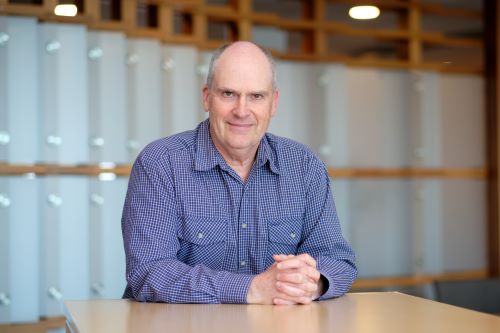
A challenge has been issued to New Zealand’s chief information officers – to cut the amount of energy used by computers by 50 percent before 2010.
Mike Pierce, director of environmental affairs for United States IT company Lenovo, was in New Zealand in September for CIO conference. His presentation, ‘Green PCs’, introduced locals to the global Climate Savers Computing Initiative (CSCI) aimed at conserving power.
The CSCI is non-profit group of eco-conscious consumers, businesses and conservation organisations dedicated to improving the power efficiency and reducing the energy consumption of computers. The initiative’s goal is to achieve 50 percent reduction in computer power consumption by 2010 by producing and purchasing power-efficient products and increasing the use of power management. According to United States industry analyst firm Gartner, the total PC power consumption per year for well-managed 2500-PC-strong organisation is 50 percent lower than for an unmanaged one.
“I’m inviting the CIOs of New Zealand to get involved and commit to the goals of the Climate Savers Computing Initiative,” Pierce said of the purpose for his trip to New Zealand. He explained the two sides to the programme: for suppliers to increasingly produce energy efficient computers and servers and for corporate users to ensure that certain percentage of their purchases each year comply with the efficiency goals.
“If you look at that out to 2010, we could potentially save 50 percent of the power that’s currently being used by computers,” Pierce said.
“CSCI is huge worldwide initiative which will engage everyone from manufactures to retailers to consumers. Anyone or any business that uses computer.”
The Climate Savers Computing Initiative is led by representatives from nine board of director companies: Dell, EDS, Google, HP, Intel, Lenovo, Microsoft, Pacific Gas & Electric and World Wildlife Fund.
www.climatesaverscomputing.org


Agri experts warn New Zealand’s food and fibre future could arrive by default rather than by design
Despite near universal optimism in the rural sector, a panel of New Zealand’s leading food and agri minds say the sector must be intentional about its future path if it’s