Don’t aim for “safety first.” Lead for safety always, writes Carina Hull.
I was in the middle of a workday when the phone rang.
My mum’s voice was shaky. My brother had been airlifted out of the bush by helicopter.
A piece of equipment on the truck had failed on a remote logging site. It swung around and hit him in the face.
One of his eyes was gone. The bones around it were shattered. With only one lung working properly, every second counted, oxygen had to be delivered precisely, with no room for error.
That’s when safety becomes real. It stops being a policy or a checklist. It becomes a lifeline.
SO… WHY ARE WE STILL GETTING SAFETY WRONG?
New Zealand doesn’t have the worst safety record in the world but for a country with solid laws and decent resources, too many people are still getting hurt in ways that are preventable.
So it’s fair to ask: • Why aren’t we making better progress?
• Why are people still getting seriously injured, or worse?
• Why do so many workers feel unsafe, unsupported, or unheard?
• And most importantly: what can leaders actually do to change things?
A STORY THAT CHANGED THE WAY I THINK ABOUT LEADERSHIP
Years ago, my manager Neil told me a story I still use it in leadership workshops today.
A road crew kept getting sunburned badly enough that it caused sick days, project delays, and rising costs.
The leaders had a few choices:
• The passive approach: Send an email, “Please wear sunhats.” (This kind of approach often comes from an Avoidance mindset, where leaders try to tick the box without rocking the boat. It’s a Passive/Defensive style from the Life Styles Inventory (LSI) framework from Human Synergistics, safe, but not effective.)
• The aggressive approach: Enforce strict PPE rules, “You’ll wear long sleeves. Non-compliance will mean disciplinary action.” (That’s an Aggressive/Defensive style focused on control and authority, not collaboration.) Neither worked. So, they tried something else. They asked the crew: “What would actually help?” And the answer? “Just put sunscreen on site so we can reapply.”
Simple. Effective. And it came from the people doing the work.
That’s what Constructive leadership looks like. It’s collaborative. Open. Encouraging. Focused on solutions, not blame. These are the kinds of behaviors the LSI highlights as key to high- performing, safe cultures, particularly the Humanistic-Encouraging, Affiliative, and Achievement styles. “Leadership isn’t about having all the answers. It’s about being open to the right ones.”
WHAT THIS MEANS FOR LEADERS
If we want safer workplaces, we need more than rules. We need relationships.
People don’t speak up, share concerns, or take initiative when they feel ignored, judged, or micromanaged.
Here are a few simple but powerful questions leaders can ask themselves regularly:
• Are we involving the people closest to the work environment when we make safety decisions?
• Are we encouraging problemsolving, or just handing down rules?
• Are we listening to understand, or just waiting to respond?
• Are we building a sense of ownership or just enforcing compliance?
These are the questions that shift a culture from defensive to constructive, from fear-based silence to open, trust-based action.
THE CULTURE BEHIND THE INCIDENT
Here’s a hard truth: If someone sees a hazard and doesn’t say anything and something goes wrong, that’s not just a mistake.
It’s a sign of the culture.
In defensive cultures (especially Passive/Defensive ones), people often stay quiet to avoid conflict or judgement. In aggressive ones, they might not feel safe challenging authority or offering ideas. Either way, safety suffers.
So if you’re a leader, don’t just ask: “Are we safe?” Ask: “Do our people feel safe speaking up?” Real safety isn’t about policies, it’s about people.
It’s not reactive. It’s relational. It comes from trust, openness, and the belief that every voice matters.
FINAL THOUGHT
Safety isn’t something we remember only after a crisis. It’s something we build into performance and leadership every day.
So don’t aim for “safety first.” Lead for safety always.
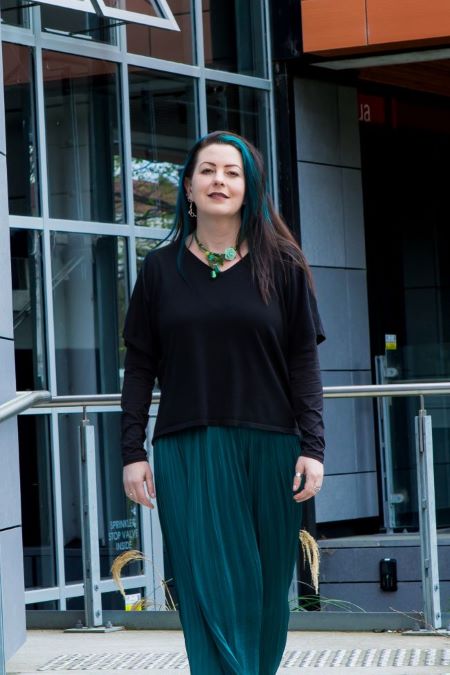
Carina Hull is a Senior Consultant at Human Synergistics New Zealand, specialising in leadership, team, strategy, and culture development. With over 15 years of experience on executive
teams and boards across New Zealand, Asia, and the Pacific, she excels at constructively challenging and inspiring others. www.hsnz.co.nz

Looking for more articles by Carina Hull:
https://management.co.nz/insight/the-hidden-layers-of-resilience-what-you-may-not-know
https://management.co.nz/awards/a-focus-on-culture