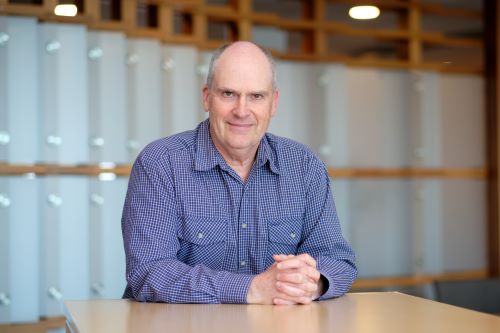
CEO of The Trusts, Allan Pollard’s key advice for aspiring CEOs is first, to never stop learning, and second, to aim to be a jack of all trades, rather than a master of one. As a CEO, he says, you’re like the conductor of an orchestra, you have to keep all the musicians working together in harmony.
You have been a CEO of The Trusts* for some years now, which has a different business model as a community organisation and reinvests all surplus profits back into the community – what do you believe were the skills/traits that made you stand out for the role?
Before joining The Trusts, I spent decades working across both the hospitality and community trust sectors. First at Delaware North, then for 17 years as operations manager and later chief executive of Trust House, a community housing provider. Those roles gave me an understanding of what it takes to successfully run both a hospitality business and a community-focused organisation, and The Trusts has been the ideal place to bring those strengths together.
A core skill from both environments is the value of rigorous compliance. In an organisation like ours, where we are responsible for the sale of alcohol, that discipline is essential. It’s something I’ve always prioritised, even when it creates commercial barriers, because it underpins our ability to be responsible, trusted retailers.
What do you believe are the best leadership decisions you have made over the years?
Delegation is a fundamental part of good leadership. So, I’d say one of the best leadership decisions I’ve made was to transition our off-licences from owner-operator bottle stores to Liquorland and Super Liquor franchises.
It made The Trusts much more efficient and was crucial for our survival as a profitable business, saving us millions of dollars. For West Aucklanders, it meant we could standardise our prices, benchmark our stores nationally and boost our margin on sales, meaning we have more profit to put back into the community.
…It was a valuable lesson in understanding the broader political landscape and ensuring plans are resilient to change…
And the worst decisions (if you don’t mind)?
The worst leadership decision I made was in 2014, during my previous role in community housing. I committed to a $50 million social housing investment plan for the Wairarapa in partnership with the Government at the time. But the entire business case was pulled after the election and a change of government.
In hindsight, my error was not fully understanding how political shifts can influence long-term strategy. It was a valuable lesson in understanding the broader political landscape and ensuring plans are resilient to change.

Allan Pollard, CEO The Trusts.
As a seasoned executive, what are the most common mistakes you see other CEOs making?
A common mistake I see among CEOs is making decisions too quickly, without fully understanding all the information or data being presented. My advice to emerging chief executives is to take the time to interrogate the information in front of them and carefully consider the long-term implications of their decisions.
Why do you believe they are making these types of slip-ups and how common are they?
The quick, and at times uninformed, decisions are quite common, driven by a natural desire to reduce stress. I believe it ultimately just creates more stress for everyone, further down the line.
To reduce these slip ups, you need effective communication lines with senior leaders. I meet with my senior leadership team every week for a dedicated half-hour to stay closely connected to all areas of the business.
…I really advise against leaders always needing to be right…
In your experience how open are senior leaders to changing their approach to leadership or the style in which they lead?
Leaders’ openness to changing their approach depends on their operational strategy, because people and businesses dislike uncertainty. The CEO role can be surprisingly disempowered, dealing with pressure from staff, senior leadership, the public, and shareholders. I really advise against leaders always needing to be right and encourage other CEOs to embrace challenges from senior leaders and the board to build trusting relationships.
If you had to give just one or two pieces of advice to aspiring CEOs to help them move up to a bigger role, what would that be?
My key advice for aspiring CEOs is, first, to never stop learning, and second, to aim to be a jack of all trades, rather than a master of one. I can’t stress enough the importance of understanding key elements like finance, law, investment, and communication. As a CEO, you’re like the conductor of an orchestra, you have to keep all the musicians working together in harmony.
…I truly believe collaboration is the key to success…
For a CEO to succeed in today’s volatile and uncertain economic (and global) environment, what do you believe are the most common traits they should possess?
To succeed in today’s environment, CEOs must demonstrate resilience and a strong capacity for collaboration. I truly believe collaboration is the key to success, including my own. Because of it, I enjoy productive relationships with boards and have the ability to motivate teams to achieve objectives. That also includes being able to collaborate with those you disagree with. I believe the best ideas can often come from disagreement and differing perspectives at all levels.
Are they things that can be learned or are some people just wired to lead?
I believe that some people are natural leaders. It’s hard to teach resilience and the joy of being challenged. Good leaders must also be future-focused and have a vision, which is difficult to train. A bit of self interest is also necessary for a CEO operating in a large organisation. The era of the single leader on a white horse is over, and future leaders must be able to collaborate with everyone and take in different perspectives.
*The Trusts – made up of the Portage and Waitākere Licensing Trusts – holds exclusive rights to the sale of alcohol across West Auckland, operating 26 successful retail stores and eight hospitality venues. Elected by the public and mandated under the Sale and Supply of Alcohol Act, The Trusts reinvest all surplus profits back into the community – over $11 million in the past decade.