The wellbeing of the workforce powering New Zealand’s economy matters more than ever, as a new report finds just how strained the workforce has become. By Julie Cressey of Telus Health New Zealand.
New Zealand’s productivity and economic story requires a shift from charts and numbers to a focus on the human story underneath. The latest OECD modelling suggests it could take over 30 years for our GDP to double. Our growth relies heavily on pushing people harder rather than enabling them to perform at their best, and this is detrimental to our society and economy.
Our GDP per hour worked lags behind countries we once matched such as Denmark, Finland, Sweden; and below our closest neighbour, Australia. In addition, the wider environment feels increasingly unsteady.
With this picture, the wellbeing of the workforce powering New Zealand’s economy matters more than ever. The 2025 TELUS Mental Health Barometer for New Zealand reveals just how strained the workforce has become:
- Over half (54 percent) of workers cite financial concerns as their primary source of personal stress.
- Nearly two in three workers (63 percent) feel burnt out, and two in five (40 percent) say they’re overwhelmed by their responsibilities.
- Younger workers, aged 40 and under, are most likely to report their mental health negatively impacts their productivity at work.
- Workers without emergency savings record mental health scores 17 points below the national average, showing how deep financial strain impacts the workplace.
Productivity is powered by human capability, so wellbeing must transition from a “support function” to a direct lever for strengthening performance, stability, and long-term growth.

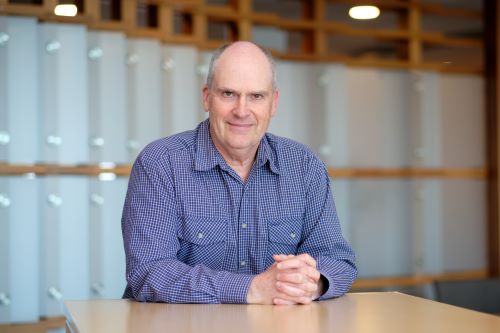
Julie Cressey.
Building environments where people can perform
Company culture plays a pivotal role in fostering an open and transparent environment. The TELUS Mental Health Index found that workers who don’t feel safe to raise concerns reported mental health score 14 points lower than those who do. Employees without trusted relationships are 2.5 times more likely to feel isolated, which directly affects engagement, initiative, and problem-solving.
A supportive culture starts with everyday leadership: managers checking in early rather than reacting late, teams openly discussing pressure points, workloads forecasted realistically, and strong conflict resolution. Leaders can create psychological safety through tone, consistency, and how they respond when things get difficult. In high-trust environments, people contribute more fully and recover from setbacks faster. That’s productivity.
Reducing stress by addressing root causes
Burnout is now one of the most significant risks to performance across New Zealand workplaces. While high workload remains a key driver, overwhelming life stress including financial worries and uncertainty take a heavy toll. With more than half of workers citing money pressures as their top stressor, there’s a clear need for employers to offer practical financial wellbeing support, whether through budgeting tools, financial literacy programmes, or access to advice. These interventions can help staff regain clarity and confidence.
Equally important is how the work itself is structured. In many organisations, teams are doing more with fewer people, which is accelerating burnout. Managers trained to identify early signs of distress can prevent small stressors from becoming long-term issues. Alongside training, leaders should review job design, clarify responsibilities, reshift priorities when workloads peak and show recognition of extra and sustained effort. When employees feel supported in managing workload, their motivation and focus return.
Rebuilding connection to strengthen resilience
The impact of connection is clear, with the TELUS Mental Health Index finding that nearly one in five (18 percent) of workers avoid social interactions at work, and this group reporting mental health scores 24 points lower than those who feel connected. Social connection is not about elaborate gatherings, but more about trusted relationships built on psychological safety. This trust can be fostered with mentoring programmes, cross-functional collaboration, peer support networks, and culturally grounded services that strengthen resilience. When people feel they belong, they’re more engaged, motivated, and willing to go the extra mile.
A healthier workforce can lead to a stronger economy
The 30-year timeline to double our GDP isn’t inevitable – it’s a warning that our current approach isn’t working. New Zealand’s economic story won’t be rewritten by extracting more from an already strained workforce. The path forward requires putting people first and ensuring they have the tools and support to be their best selves and perform at their best.
When we create environments where people can think clearly, collaborate meaningfully, and contribute sustainably, we rebuild a strong foundation our economy needs. A critical aspect of New Zealand’s productivity challenge is a human capability challenge, and wellbeing can unlock its full potential.
Julie Cressey is the General Manager, TELUS Health New Zealand.