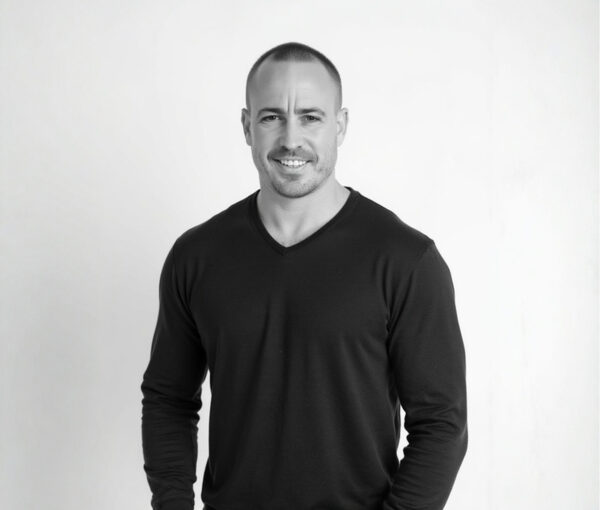
Picture: Tourism HQ Director Richard Henry
Running an international experience-led travel event on a remote Pacific island might sound like a logistical nightmare, but for Tourism HQ Director Richard Henry, it’s a masterclass in agile leadership, scalable systems and people-first thinking.
As demand for experiential tourism surges among Gen Z travellers, Henry shares how Spring Break Fiji delivers more than just parties and why building the right partnerships, crew culture and contingency plans is key to managing high-stakes events abroad.
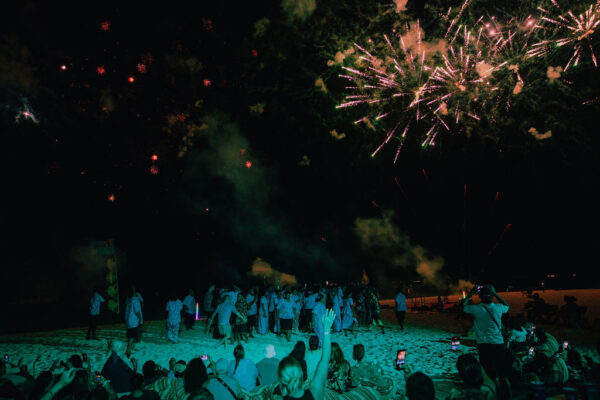
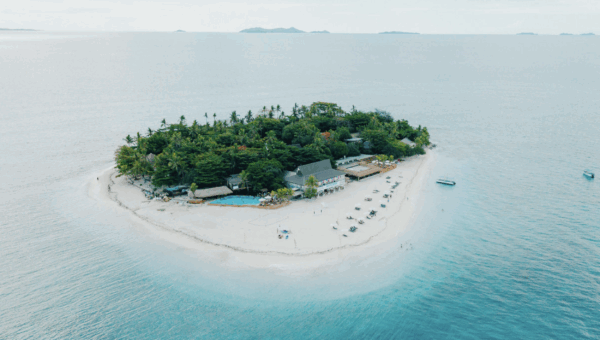
Spring Break Fiji has established itself as one of most talked-about travel experiences for young Australians and New Zealanders, where over 200 people come together for a party on an exclusive charter island in Fiji.
But while the social media feed might show music, sunshine and celebration, the reality behind the scenes is a complex international operation that hinges on systems, flexibility and relationships.
At the centre is Henry, Director of Tourism HQ, the company that has owned and run Spring Break Fiji for 12 years now, alongside other large-scale events including Rock Island, BlueSky Fiji and the Fijian Cup.
“We have no full-time employees. So my management style is all collaboration. It’s all about just real strong partnerships and ensuring that everyone comes out with a win.”
Rather than build a permanent team, Tourism HQ uses a seasonal structure with rotating crews. “We run like almost a pass-the-baton model,” he explains. “It’s like an All Blacks team. You need fresh blood, energetic blood, people that are keen to learn, and those that have the wisdom from prior trips to pass on that knowledge.”
Each Spring Break event brings together about 60 staff on the island and roles are intentionally kept fluid.
“If you’re there as a photographer, you’re also there to help out in other areas. If you’re a DJ, same thing. Everyone comes in with the ability to learn from the others and grow together”
This flexibility is essential in an environment where the unexpected is standard.
“In travel and events, nothing ever goes to plan. You have cyclones, flight delays, boats. A lot of it is just getting the right people around you,” says Henry. “It’s not just about having a strong skill set. A lot of it is emotional intelligence and being resilient when things go wrong.”
Managing systems of event management
Tourism HQ runs on a trusted quarterly operating rhythm. The first quarter of the year is focused on marketing and sales, the second quarter is business development, third is event preparation and the fourth quarter is all about execution.”
The business has built its own technology stack to support communication across all departments.
“Tech is really the cornerstone of our business. Probably seven years of development, but I think we’ve finally got what we need.”
There is a proprietary booking system that allows guests to pay in instalments, a custom customer service system integrated with Zendesk, and a talent database for staffing events. Videographers, event managers, photographers and DJs can register on the platform, and each year the team pulls together a mix of new and returning talent.
“You’ve already got the right ingredients if you want to get out there and gel with people. You can learn anything.”
One thing about managing an international event is that the logistics are extensive.
Equipment comes from New Zealand, China and local Fijian suppliers.
“Each year, we’ll have a container that comes in. We’ve got a storage unit and a huge range of local suppliers,” he says. “After 12 years, you get a good feel for what you need, where to go and when to move.”
One recent challenge was a shift in Fijian customs regulations. DJ gear brought in from New Zealand was detained at the border, requiring quick negotiation.
“Fiji doesn’t operate on a Carnet model. Now you have to pay an agent to log serial numbers, take photos and sign off before and after. We were able to get hold of Tourism Fiji and fix it up relatively quickly, but we’ll have to rethink it in future. Maybe keep the gear there permanently.”
When it comes to marketing Spring Break Fiji, Henry says they experimented with influencer marketing, but he has since shifted the approach.
“You’ve got these big-time influencers, but their audience might be offshore, or their brand doesn’t fit what we’re doing. It’s almost micro-influencing where the real magic. We have people come on our trip and they just happen to have 1,000 great friends that go, ‘Man, that looked amazing. We want to come too,” he adds.
Word of mouth and repeat customers have become the foundation. “We’re very lucky. We’ve got people doing five, six, seven years. That’s really what’s got us through.”
All that work pays off, when organisers see the way, this transforms guests: building their self -confidence and relieving some potential anxiety on what lays ahead of them in life.
“You’ll have 200 people come out, and a lot of them are still trying to find where they sit in the world.”
This sense of connection has become core to Tourism HQ’s brand.
“People come in not knowing anyone and by the end of the week they’re best mates with everyone. It’s a melting pot. It’s a beautiful thing.”
For Henry, managing the experience is about creating the conditions for people to thrive, including his own team. “You tend not to see me out the front. I enjoy watching people thrive and working toward something. It’s pretty magical.”
He encourages others who want to enter international event management or experiential tourism to start small and get involved. “There are so many unique experiences around the world. If you knock on their door and say, ‘Hey, I’d like to get involved and help out if I can be of value,’ I’d imagine 99 percent of operators would go, ‘Welcome to the team’.”