The Bay of Plenty has taken out the top spot in ASB’s Regional Economic Scoreboard for the March quarter, as regional economic growth remains uneven but continues to broaden across New Zealand.
ASB’s Regional Economic Scoreboard ranks New Zealand’s 16 regions across key indicators, including employment, construction, house prices, retail trade and consumer confidence.
In the March quarter, the Bay of Plenty led the country, supported by strong employment growth and solid gains across construction demand, retail spending and the housing market.
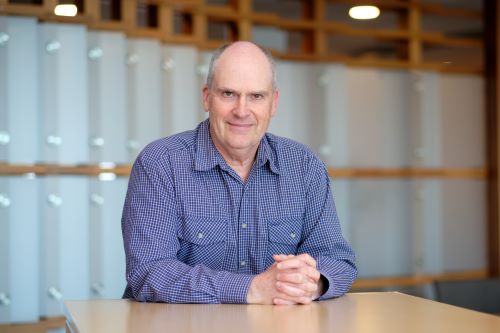
ASB Chief Economist Nick Tuffley says in a statement that the Bay’s performance reflects the strength of its primary sector and export base.
“After a bumper 2025 kiwifruit season and a strong start to 2026, the Bay of Plenty has reclaimed the top spot. Strong export demand and solid employment growth are underpinning the region’s momentum,” he says.
The bank says Canterbury, which held the top position for much of 2025, slipped back to second place but continues to perform strongly across most measures.
“The region remains well supported by strong dairy incomes, population growth, tourism and ongoing investment.”
ASB says that Otago retained a podium finish in third place, with strong retail spending and tourism activity supporting household demand, although employment growth has softened.
Five of the North Island’s eight regions placed in the top half of the Scoreboard in Q1, reflecting improving momentum across employment, construction demand and retail spending.
“The regional story this quarter is one of a more balanced recovery…
“The regional story this quarter is one of a more balanced recovery,” says Tuffley. “We’re seeing broader improvement across the North Island, with most regions now sitting in the top half of the rankings.”
Auckland remains mid-table, with growth in retail spending and housing activity supported by migration and tourism, although labour market conditions remain weak.
At the other end of the rankings, Wellington showed some improvement, moving off the bottom of the scoreboard, although the region continues to face significant headwinds, particularly in housing and construction.
“While it’s encouraging to see Wellington lift from last place, the capital still faces ongoing challenges. Weak housing market conditions and job uncertainty are continuing to weigh on confidence and activity,” Tuffley says.
Nationally, economic activity continued to gain momentum in the March quarter: ASB is forecasting March quarter GDP growth of 0.8%.
Employment, tourism and migration all lifted, supporting broader economic momentum, while retail spending remained resilient. However, ASB economists note that global uncertainty is increasingly shaping the outlook.
“While there are encouraging signs of recovery, storm clouds are looming. Inflation remains elevated and global developments, particularly the Middle East conflict, are expected to weigh on growth, cost pressures and consumer confidence in the short term,” says Tuffley.
“With inflation expected to remain above the RBNZ’s target for much of 2026 and cost pressures building, the pace of the recovery is likely to remain uneven across regions.”